Patterns that are hard to see
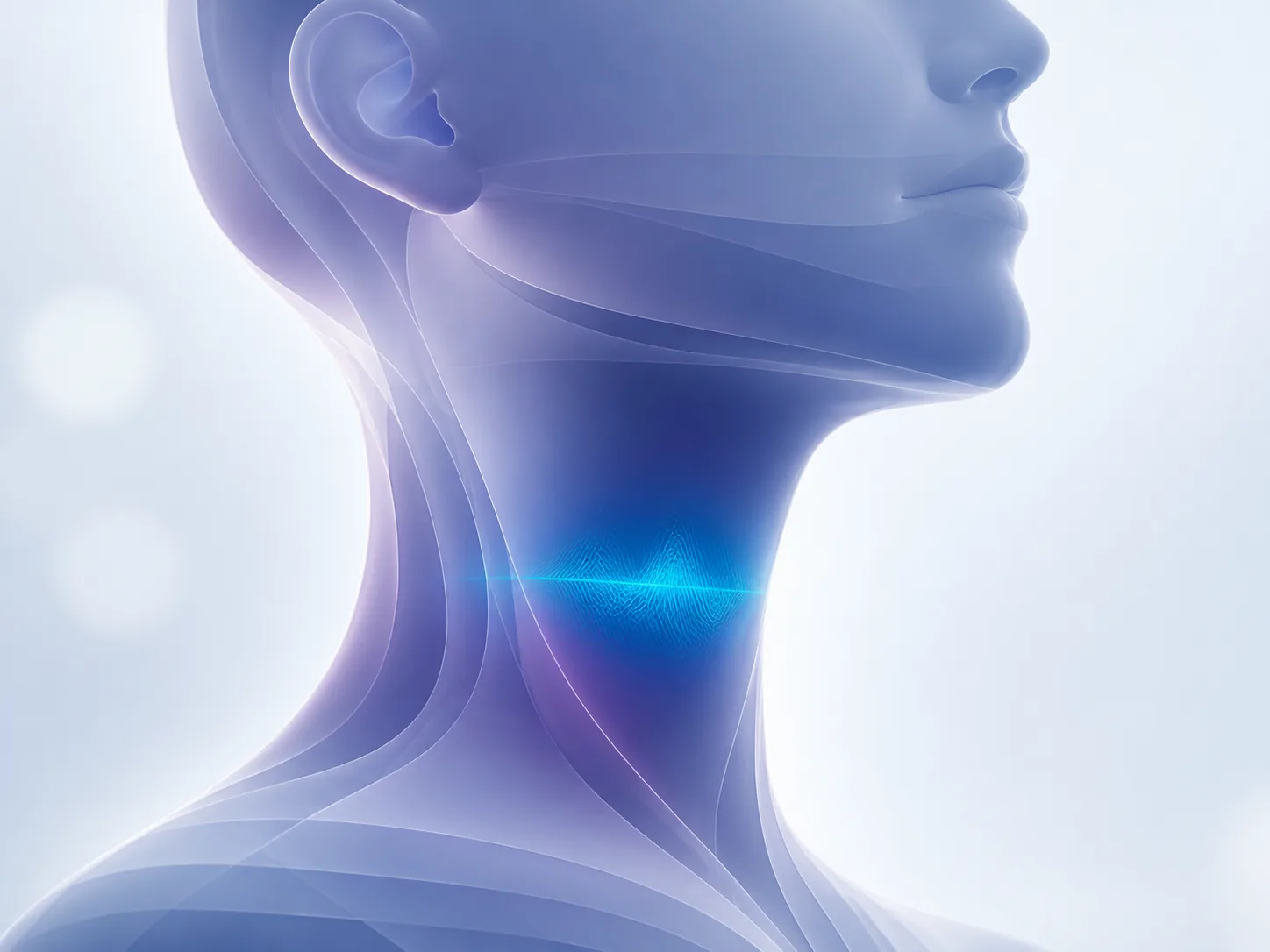
Biomechanical movement patterns of swallowing unfold in seconds. External sensing gives that motion a permanent, reviewable record instead of a fleeting impression.
Accelowave is building a non-invasive motion-sensing platform that turns subtle throat and body-reference signals into structured, clinically meaningful data, the foundation for a more objective way to assess how someone swallows.
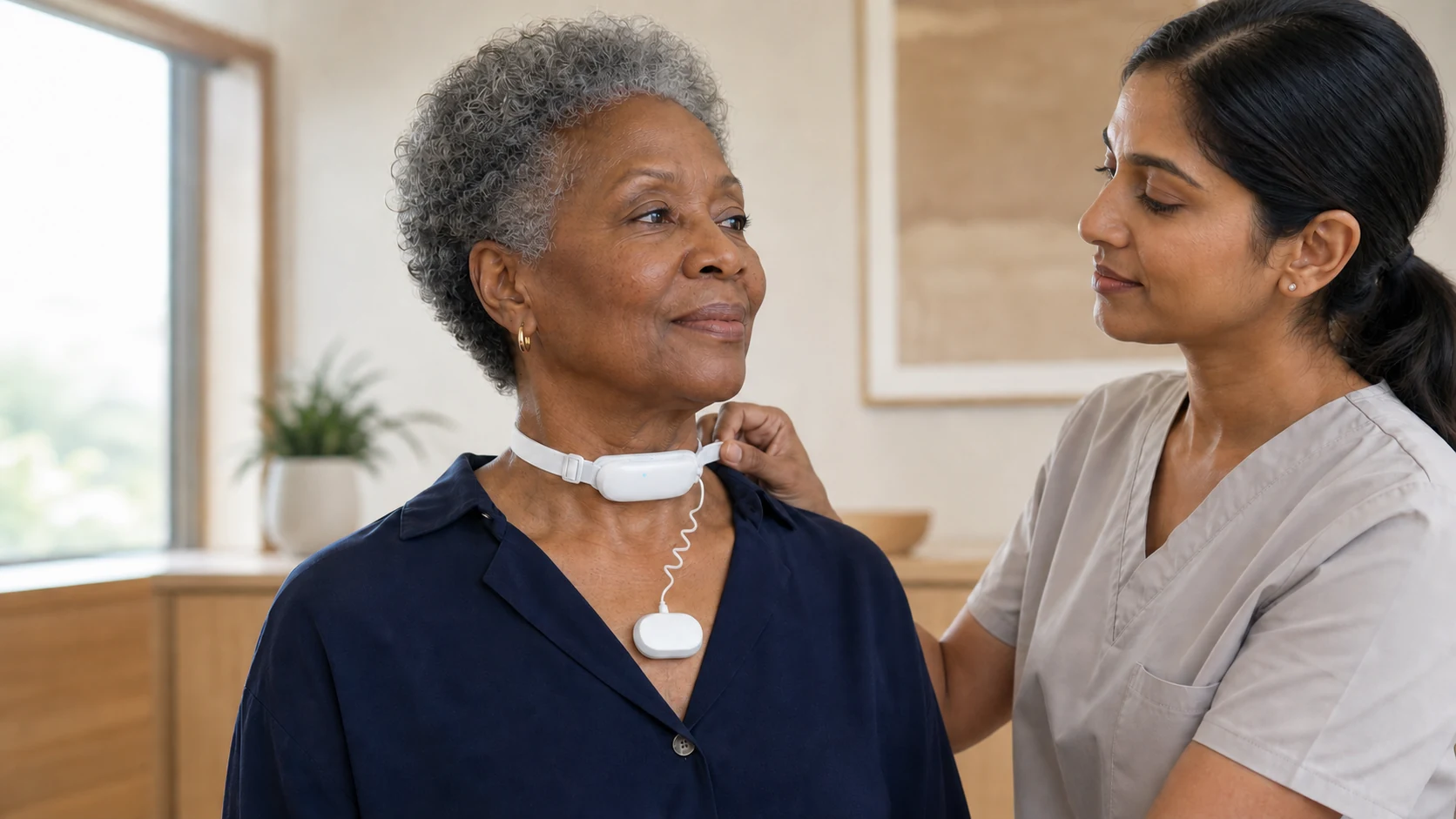
Swallowing happens in under a second, largely hidden from sight. Clinicians have long relied on what they can see and hear at the bedside, which means that subtle, but critical movement patterns often go unnoticed. Accelowave's Aspirometer™ technology is built to capture and analyze that movement directly, at the point of care.
Biomechanical movement patterns of swallowing unfold in seconds. External sensing gives that motion a permanent, reviewable record instead of a fleeting impression.
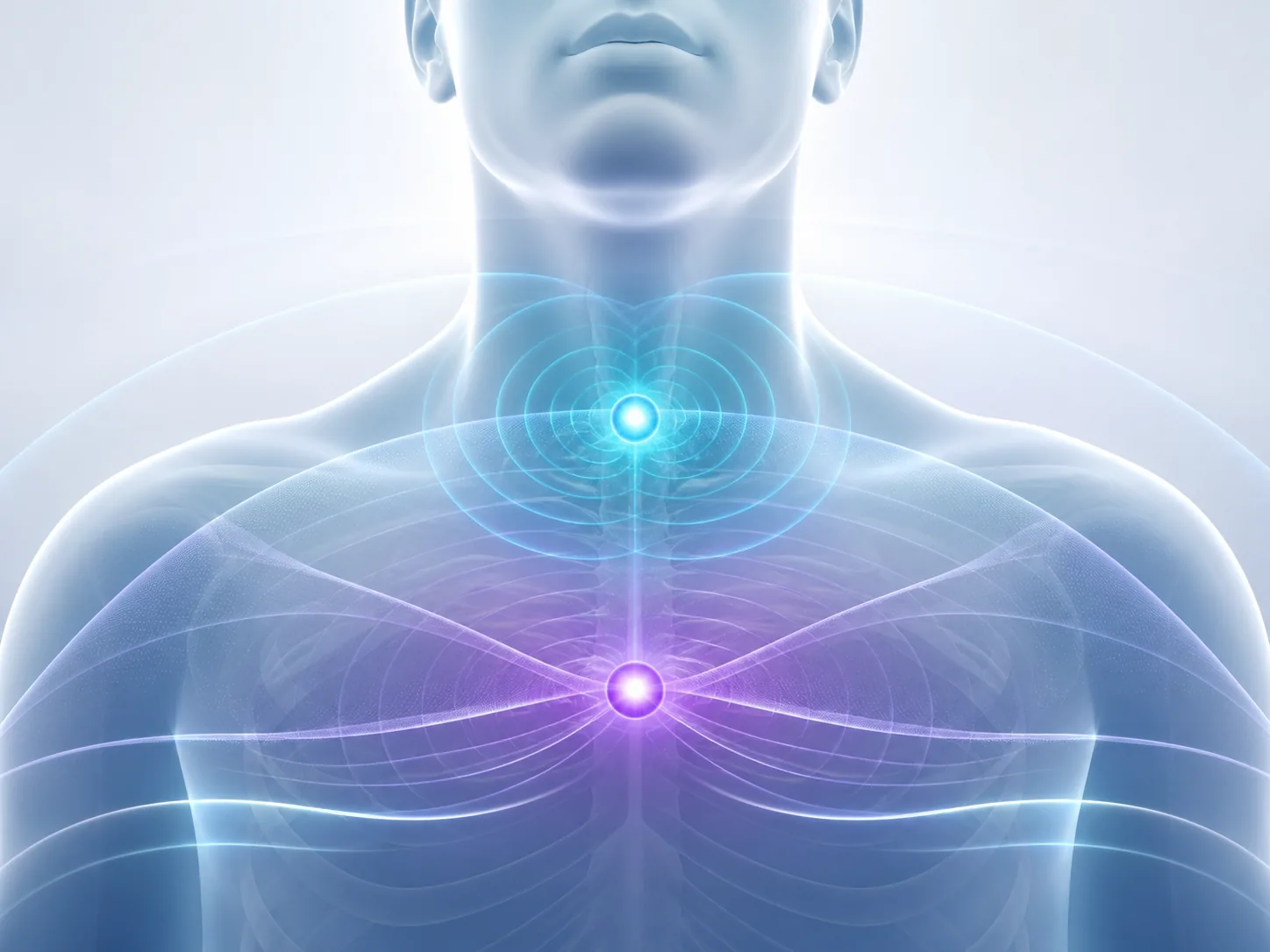
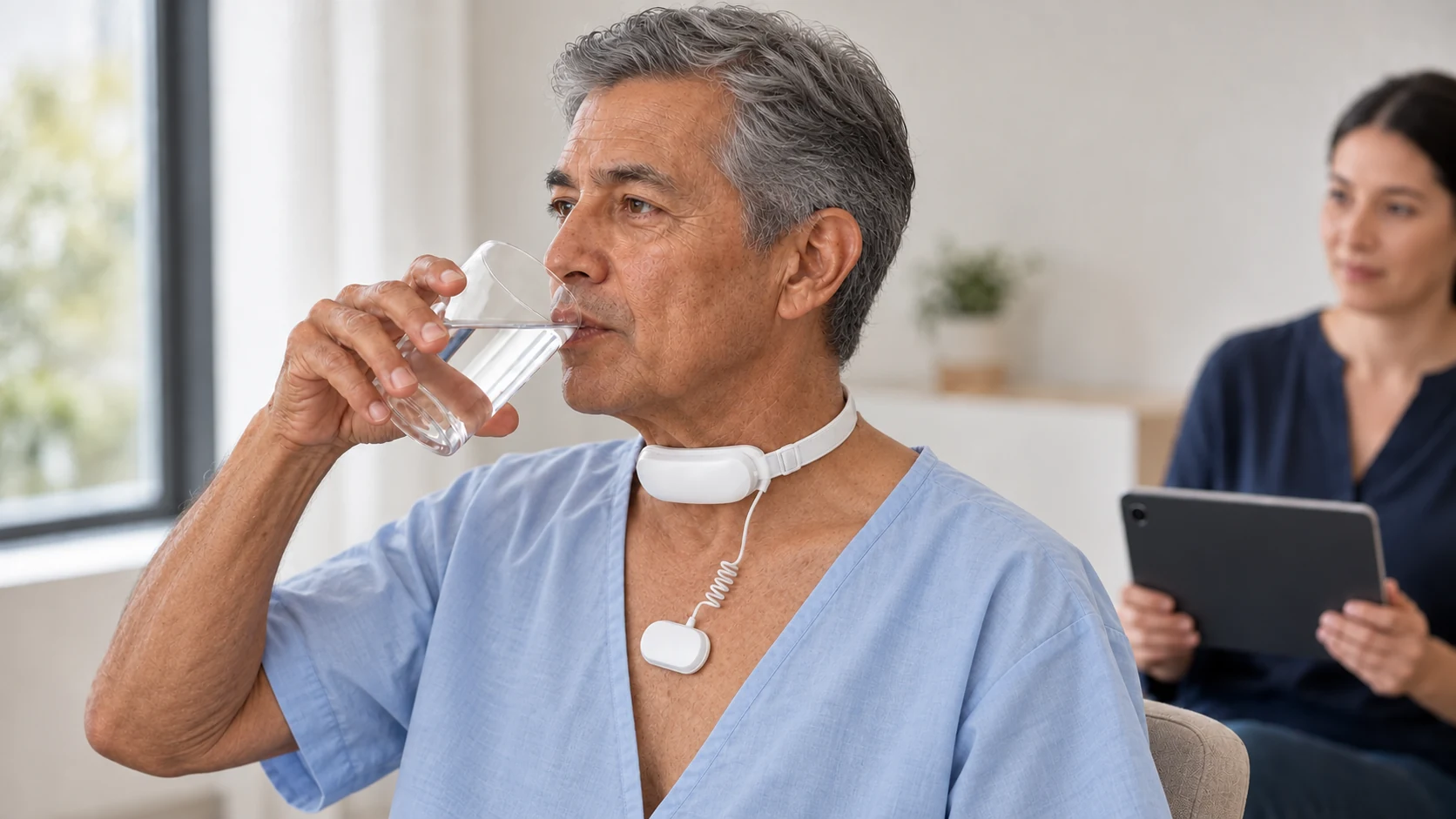
Swallowing movement can be obscured by breathing and body motion when using a single sensor. A second reference point separates swallow-specific signals from surrounding noise.
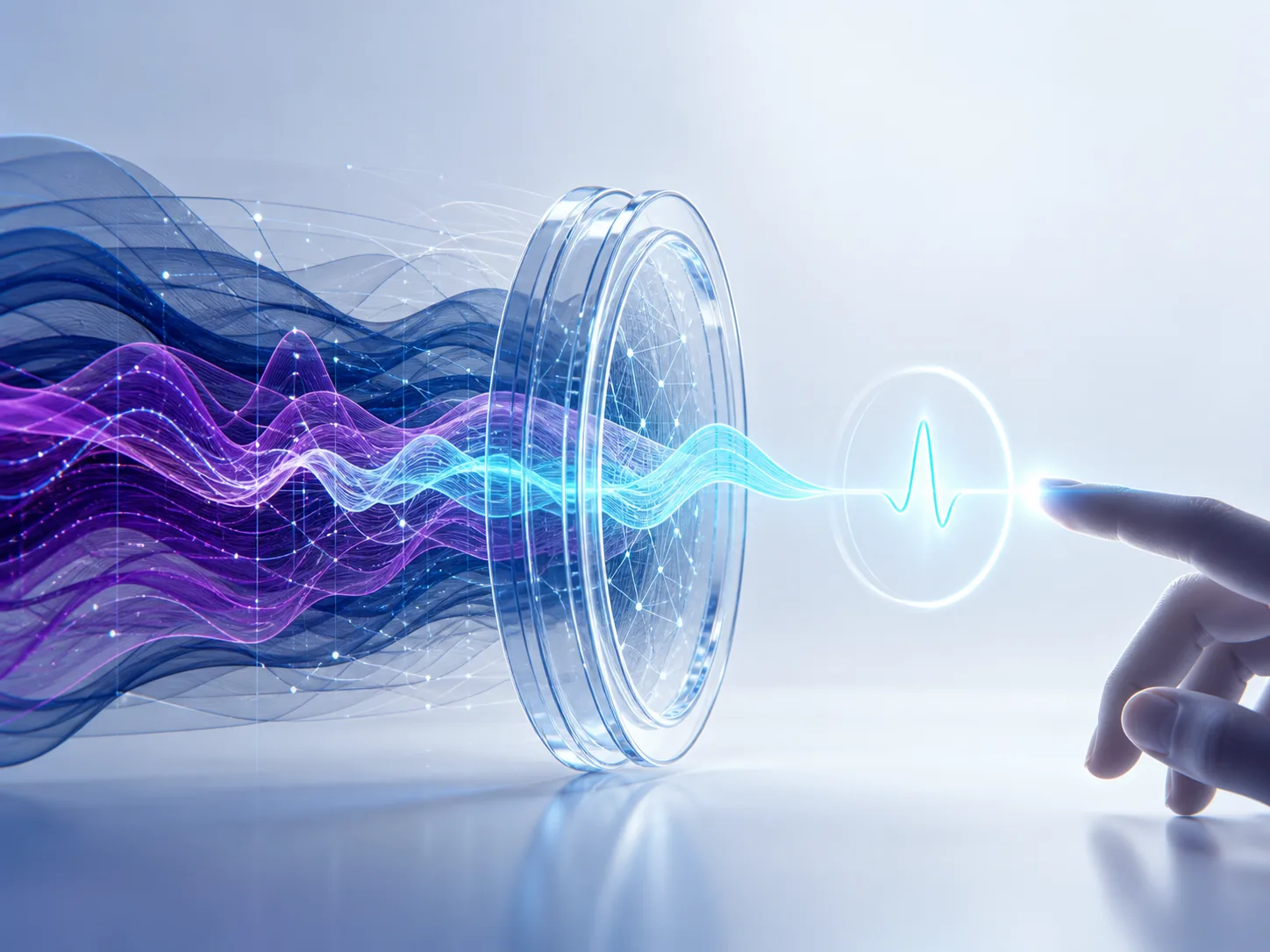
Accelowave's long-term vision is to pair captured motion with machine-learning analysis trained on a clinically labeled dataset, turning raw signals into actionable insight.
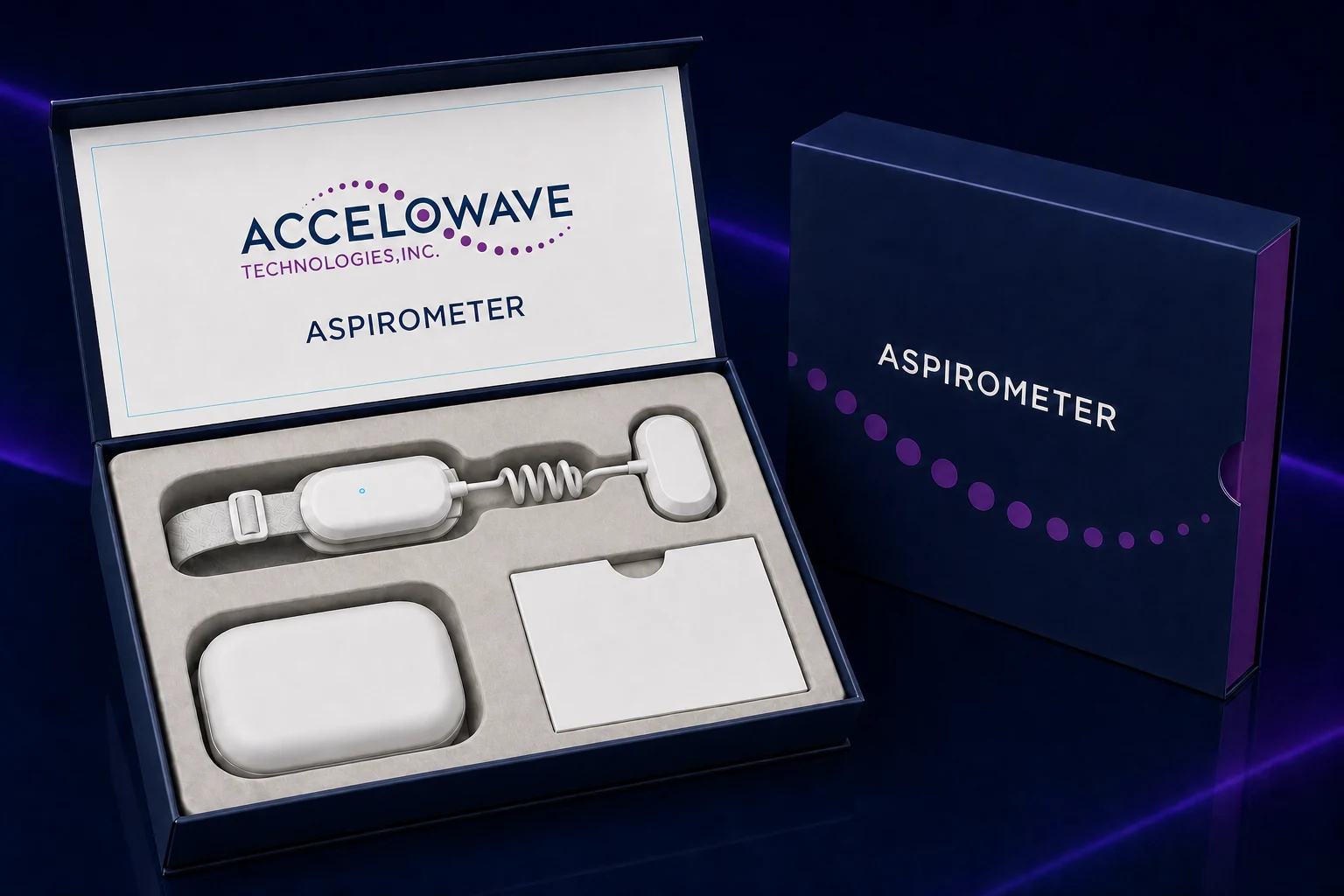
The Aspirometer™ pairs a non-invasive wearable with software built for clinical workflow. Each session captures a structured, individual measurement of swallow-related motion.
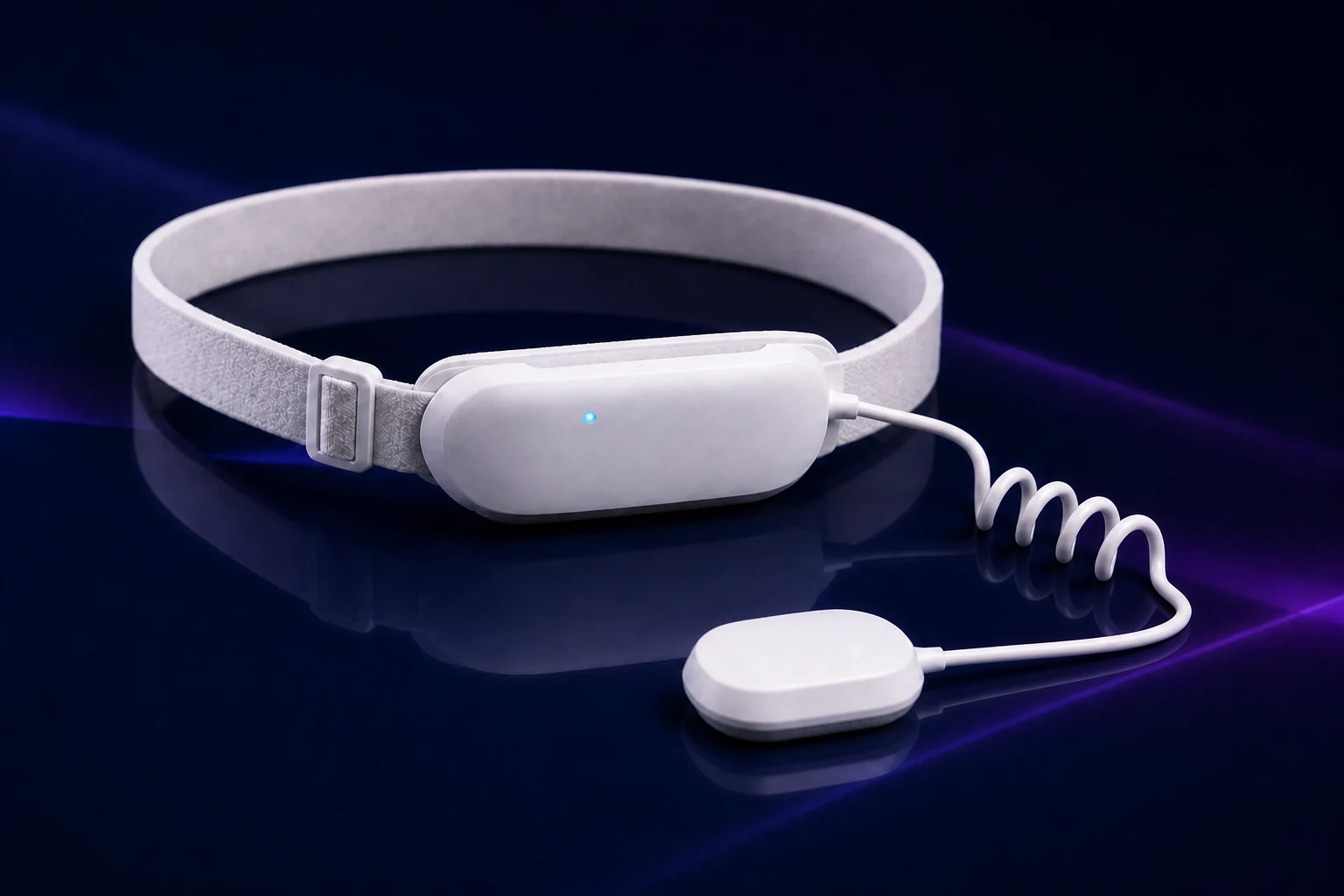
A compact primary throat sensor and upper-sternum reference sensor work together to measure subtle swallowing movement with body motion context.
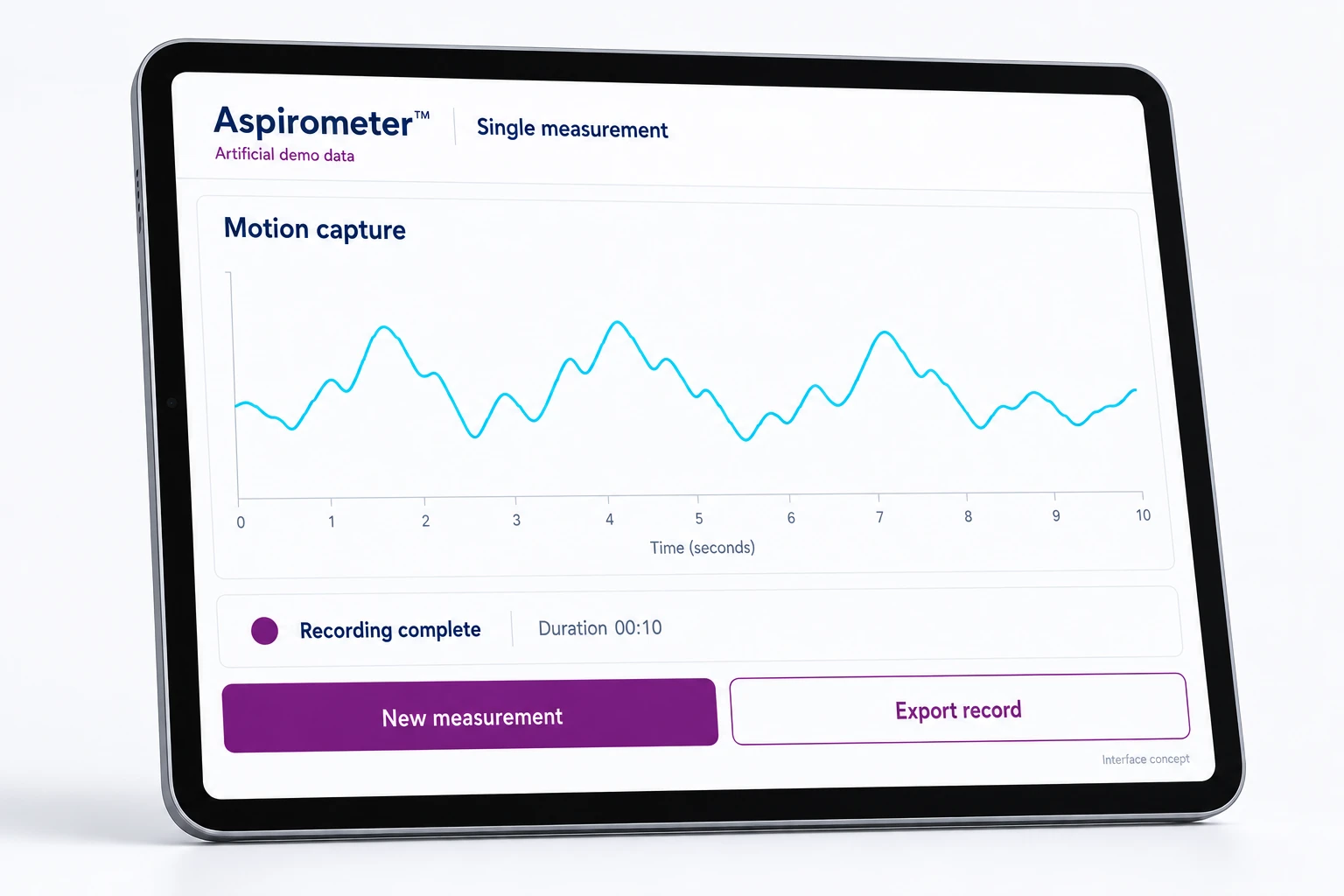
The companion interface is envisioned to bring guided capture, signal quality, and analysis into one focused workflow.
Throat and body-reference motion, captured together for context.
Guided capture, quality status, and organized session review.
Today, each measurement is a standalone, individual assessment. Longitudinal baseline tracking and per-patient analysis are planned as a future platform capability.
Commercial product vision. Capabilities shown are under development and subject to validation and regulatory review.
The Aspirometer™ is designed to improve as the underlying model learns from more data collected across the population it serves. Each measurement today is a standalone, individual assessment; longitudinal, per-patient tracking is a future capability as the platform matures.
Every session records the motion metrics that will train tomorrow's analysis.
Future ML tools are being built to compare data across sessions, refine individual baselines, and track progress against clinical goals.
As the platform is validated, condition-specific algorithms could help surface patterns earlier, before they'd otherwise be caught.
Current Alpha-stage work focuses on a reliable sensing and data foundation. Wireless operation, a clinician-friendly handheld device, and validated clinical interpretation are future development steps.
Dual-sensor capture, normalized motion, session records, and export.
MVP device production and ML-analysis tools.
Clinical-grade processing, performance validation, and regulatory review.
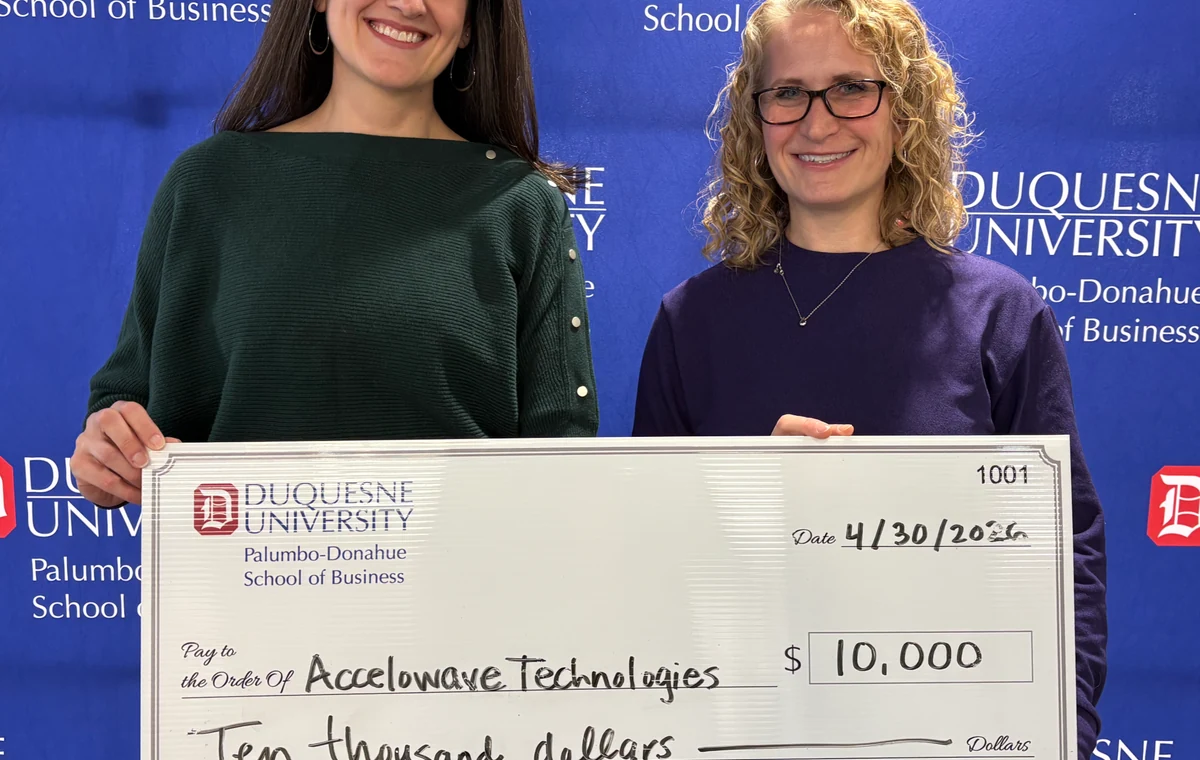
Accelowave has earned recognition and support from national aging-research, health-innovation, and university venture programs, funding and validating the technology while the team builds toward clinical trials and regulatory review.
Accelowave advanced through a competitive field and finished among the challenge's leading teams.
Program source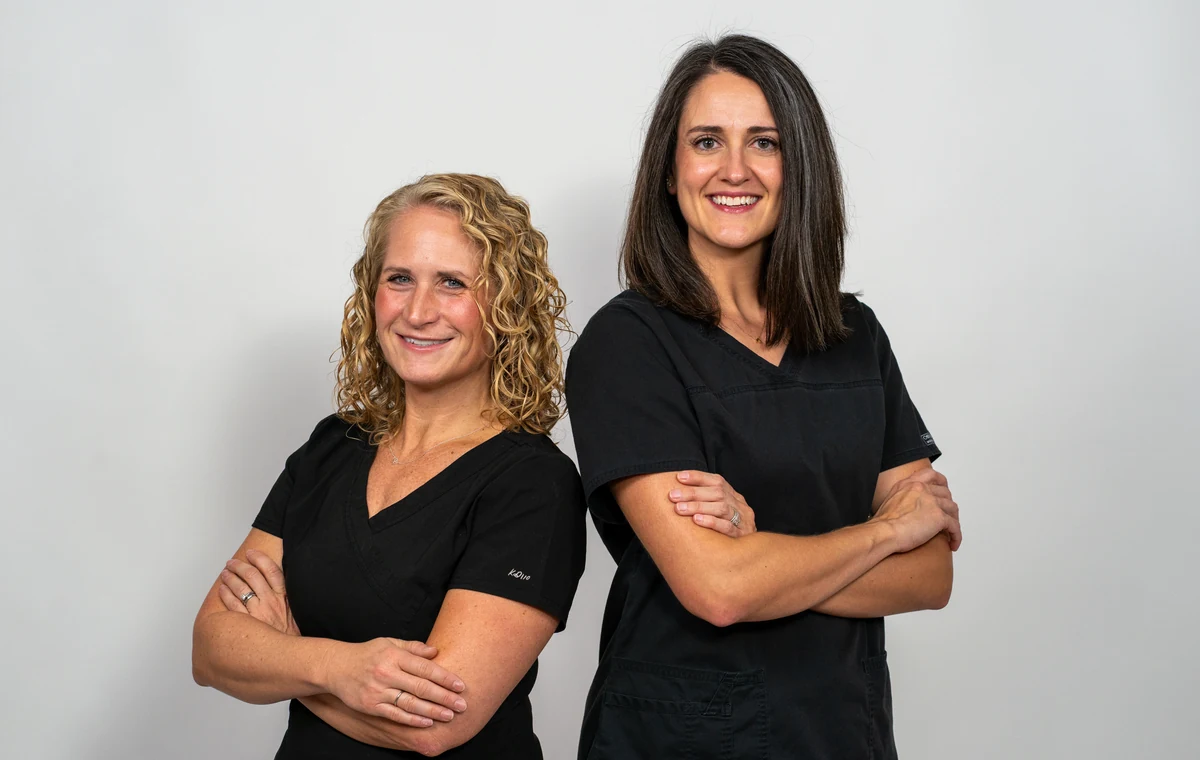
Selected as a national winner following a multi-stage aging-innovation accelerator and pitch program.
Program source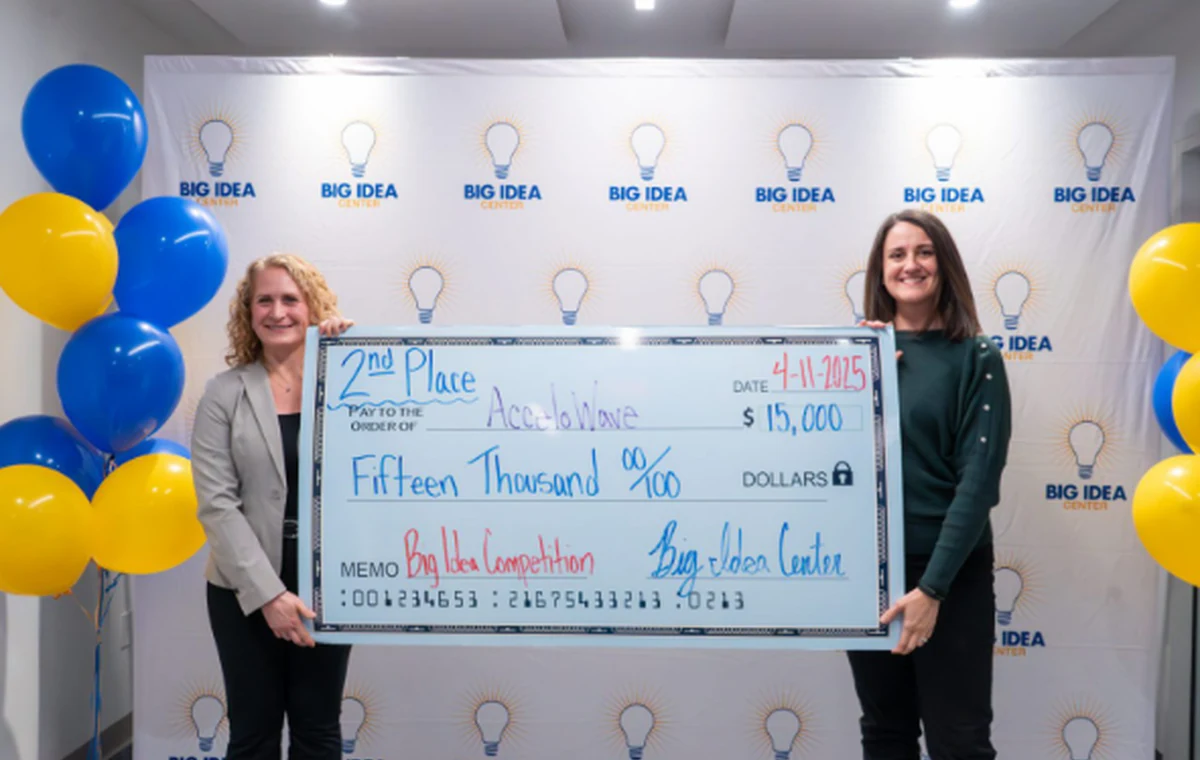
Recognition for the team's vision, customer discovery, and path toward commercialization.
Program source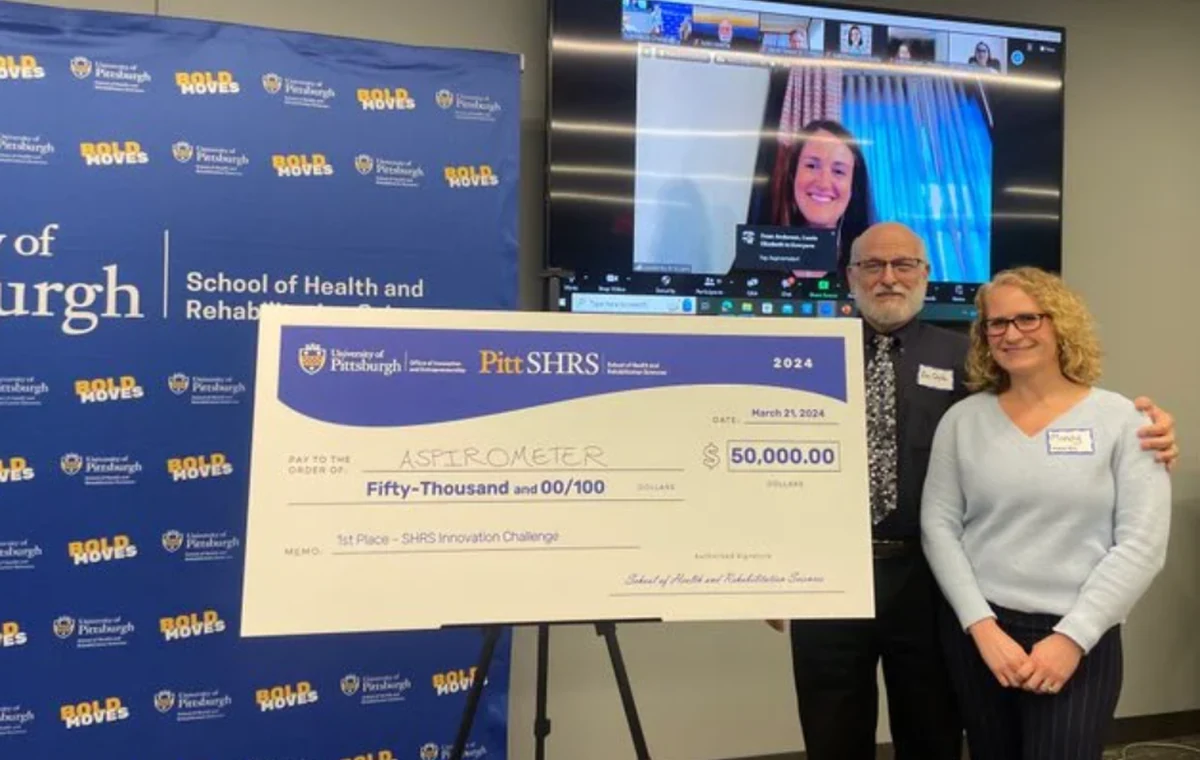
An early milestone supporting continued product development and commercialization work.
Program sourceAccelowave brings together leaders in swallowing science, clinical care, biomedical signal processing, and commercialization.
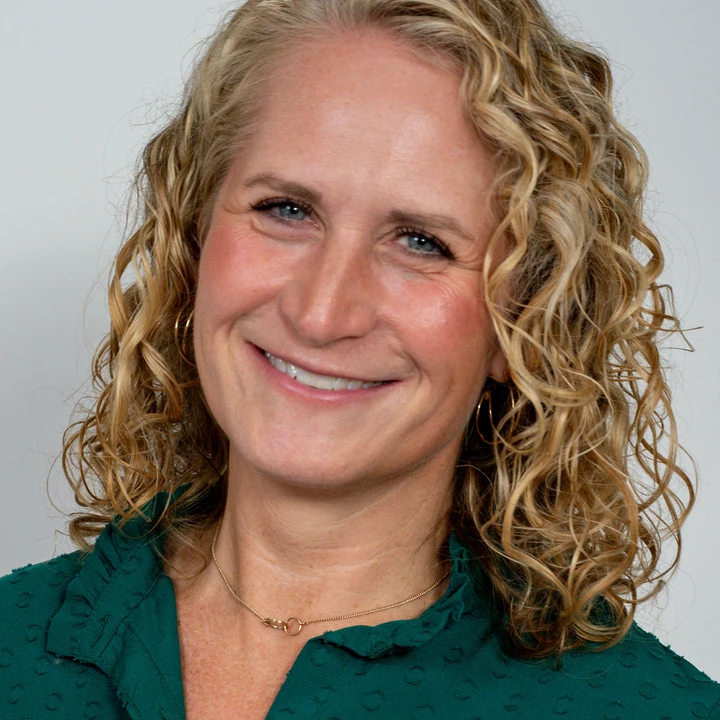
Speech-language pathologist and business leader guiding strategy, funding, and commercialization.
LinkedIn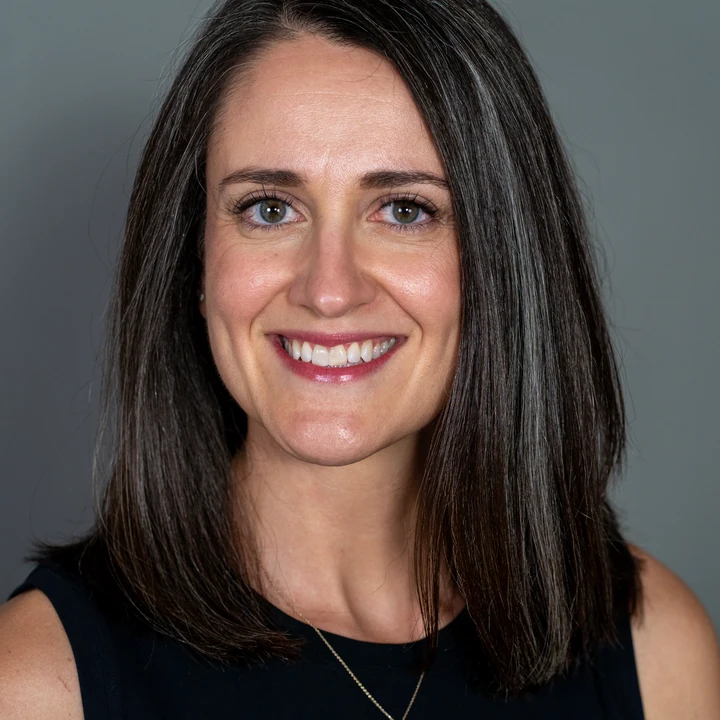
Swallowing-disorders researcher guiding scientific direction and sensor-driven assessment research.
LinkedIn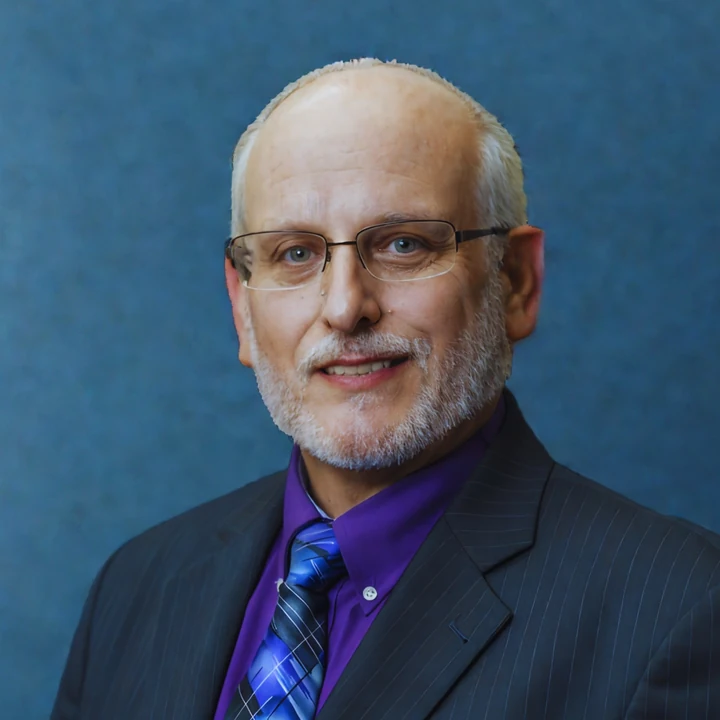
Clinician, researcher, and educator with decades of expertise in swallowing physiology and dysphagia care.
LinkedIn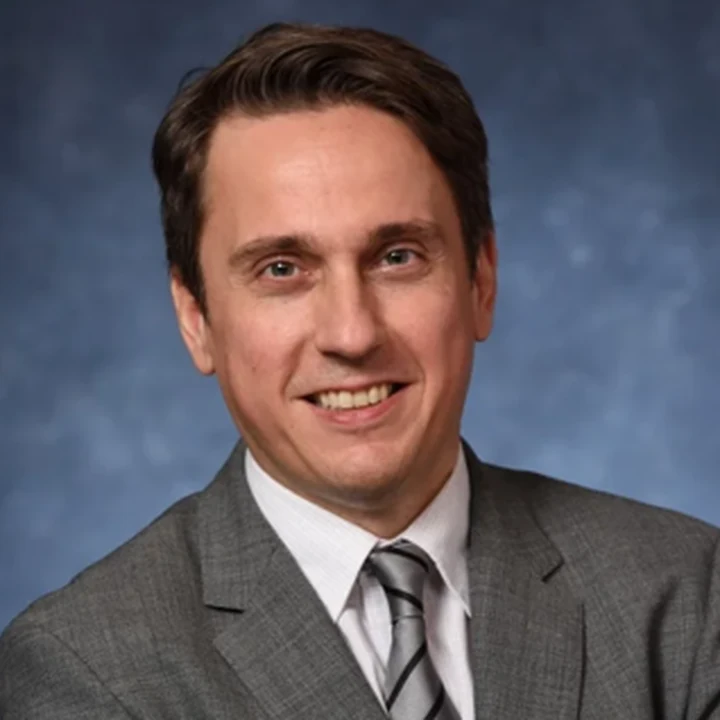
Biomedical engineer and entrepreneur specializing in signal processing, machine learning, and health technology.
LinkedIn
We're building relationships with investors, strategic partners, and clinical innovators who see the same gap we do, and want to help close it.